
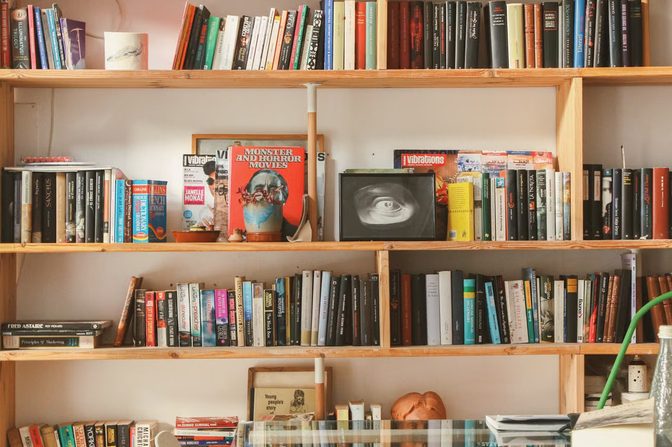
Architectural recesses are recessed areas formed within walls, often around fireplaces, doorways, windows, or structural transitions. However, these spaces may initially seem like minor room features; their depth and placement can make them useful for storing everyday objects. Books are especially suited to these areas because you can arrange them vertically or horizontally to fit the available dimensions. Instead of requiring separate floor space for freestanding furniture, a recess can add storage within the existing wall layout, keeping the surrounding room more open.
Why Wall Depth Influences Storage Potential
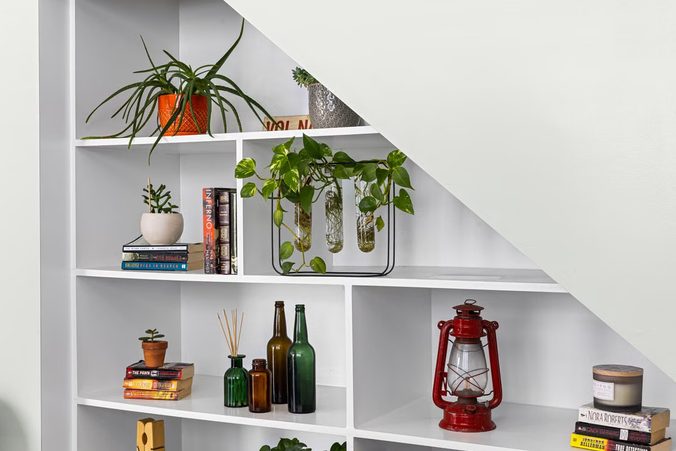
The dimensions of an architectural recess determine which books and storage arrangements it can accommodate. A shallow recess suits slim shelves and smaller books, while a deeper opening can hold larger volumes or multiple rows of reading material. Width also affects how books can be grouped without overcrowding the opening. These physical characteristics affect whether you can install shelving directly against the back wall or need additional framing. The relationship between recess dimensions and book sizes therefore determines how effectively the available space can function as storage.
How Built-in Shelving Follows Architectural Features
Shelving fitted inside a recess can follow the proportions of the existing wall opening. This arrangement lets storage align with architectural features rather than introducing a separate piece of furniture. Shelf spacing can vary to accommodate book heights, creating room for both compact paperbacks and taller reference volumes. You can also select materials and finishes that relate to nearby woodwork, wall surfaces, or other interior details. As a result, the storage can appear integrated into the building’s design rather than an unrelated addition.
Why Recess Placement Affects Accessibility
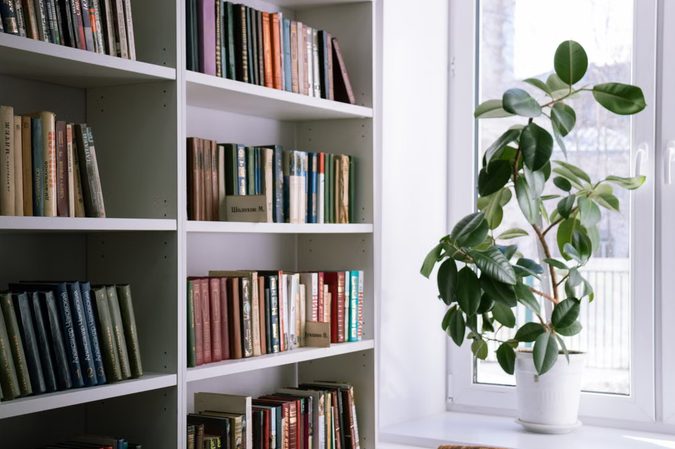
A recess’s location affects how easily you can reach its contents and how naturally the storage fits into everyday movement around the room. Recesses beside a reading chair or within a living area may provide convenient access to frequently used books. Those positioned in narrow passageways may be less suitable if shelving projects beyond the wall opening or interferes with movement. Window recesses also require consideration of daylight, moisture exposure, and the space needed for curtains or blinds. Placement therefore affects both the practical function and the long-term condition of stored books.
How Existing Architecture Shapes Storage Character
Architectural recesses often reflect a building’s age, construction method, and original design. Older houses may contain alcoves beside chimneys or within thick masonry walls, while newer interiors may incorporate deliberately formed niches. These differences influence the appearance and construction of book storage. An irregular opening may create a distinctive arrangement, whereas a carefully proportioned recess can produce a more uniform appearance. The resulting storage reflects the building’s physical character, allowing books to occupy spaces that might otherwise remain unused or serve only a decorative purpose.
Architectural recesses can become natural places for book storage because their existing depth, width, and position provide opportunities to organize books without occupying additional floor space. Built-in shelving can follow the opening’s proportions, while the recess’s location affects accessibility and suitability for different types of books. Architectural details also shape the visual character of the finished arrangement. When dimensions and surrounding conditions are right, a recessed wall area can provide practical storage while preserving the room’s original layout and architectural features.